
Six Typical Signs of Hydraulic Pump Failure | Quick Diagnosis and Professional Repair Guide
12/17/20253 min read
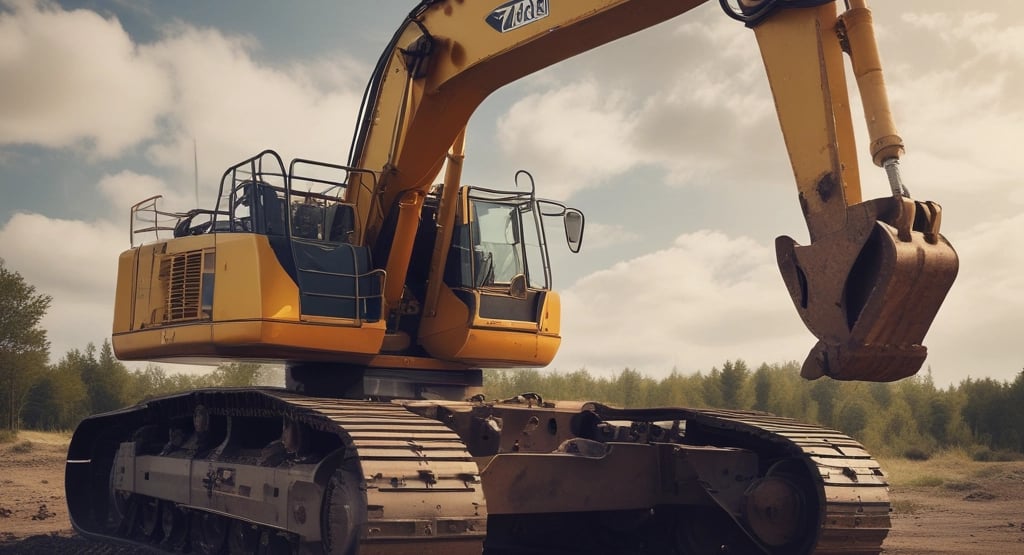

Hydraulic pumps, as the core power source of hydraulic systems, directly determine the operational efficiency and stability of the entire equipment. As a leading provider of hydraulic solutions, Guangdong Haozheng Hydraulic Equipment Co., Ltd., drawing on years of experience, has found that most hydraulic pump failures—including common issues with plunger pumps—emit a series of observable warning signals before total breakdown. Timely recognition of these six typical signs can not only effectively prevent sudden downtime but also avert costly secondary damage, ensuring production continuity.
Recognize Immediately: Six Warning Signs of Hydraulic Pump Failure
1. Pressure Anomalies: The System's "Pulse" Becomes Irregular
Manifestations: Inability to build system pressure, pressure cannot be adjusted to the desired level, frequent pressure fluctuations, or sudden pressure drops. Observable symptoms include the actuator (e.g., hydraulic cylinder) being unable to move the load or a pressure gauge needle trembling persistently. Guangdong Haozheng Hydraulic Equipment Co., Ltd. Professional Analysis: This is often a direct result of severe internal wear on core components (such as plungers, valve plates) in the hydraulic pump, especially in plunger pumps, leading to unstable output flow and pressure. It may also be related to the failure of system pressure control components like relief valves.
2. Flow Decline: The Equipment's "Power" Dwindles
Manifestations: Actuators (hydraulic motors, cylinders) move significantly slower and weaker, with overall equipment efficiency drastically reduced. For example, a forklift mast lifting slowly or a plastic injection machine's mold opening/closing speed decreasing. Guangdong Haozheng Hydraulic Equipment Co., Ltd. Professional Analysis: This directly points to the decline of the pump's "heart" function—reduced volumetric efficiency. Possible causes include: increased clearance between plungers and cylinder bore due to wear, poor contact between slippers and swashplate, or suction line filter clogging leading to insufficient oil supply.
3. Abnormal Noise and Vibration: Acoustic "Alarms"
Manifestations: Operational noise changes from a uniform hum to a sharp whine, periodic knocking, or a dull grinding sound.
Cavitation Noise (Hissing/Crackling): Often caused by insufficient oil suction or air entrainment. Prolonged cavitation severely corrodes the internal metal surfaces of plunger pumps.
Mechanical Noise (Rumbling/Grinding): Often stems from bearing failure, bent drive shaft, or mechanical interference due to improper part installation. Timely detection of abnormal noise is key to preventing catastrophic failure.
4. Excessive Temperature: "Fever" Indicates Internal Losses
Manifestations: Abnormally high hydraulic oil tank temperature, pump casing surface is hot to the touch. Guangdong Haozheng Hydraulic Equipment Co., Ltd. Professional Analysis: Overheating is a sign of abnormal energy loss. For variable displacement plunger pumps, "overworking" (continuous operation at high displacement) leads to a dramatic increase in power consumption. A more common cause is increased internal leakage: high-pressure oil leaking through worn clearances into the low-pressure chamber or casing, converting its pressure energy into heat, causing the oil temperature to soar.
5. Worsening Leakage: "Bleeding" Signals Seal Failure
Manifestations: Visible oil droplets or accumulated oil residue at pump body joints, shaft end seals; For pumps with a case drain line, the drain flow becomes abnormally high. Professional Tip: External leaks are mostly due to aging seals or O-rings. An increase in case drain flow is conclusive evidence of internal wear (e.g., wear between valve plate and cylinder block), leading to aggravated internal high-pressure oil leakage—an issue that must be addressed promptly.
6. Jerky and Unstable Action: A Signal of Control "Failure"
Manifestations: Jerky, stuttering, or uneven speed movement of the actuator, along with noticeable shocks during direction changes. Guangdong Haozheng Hydraulic Equipment Co., Ltd. Professional Analysis: This is often a complex symptom. Besides potentially being a direct consequence of the unstable flow output mentioned above, it is also commonly caused by a large amount of air entrainment in the system or a sticking pump control mechanism (e.g., variable piston).
Professional Advice: Prevention is Better Than Repair
Understanding these early warning signs helps you quickly identify the nature of the problem. However, accurate diagnosis and thorough repair require professional knowledge and tools. Guangdong Haozheng Hydraulic Equipment Co., Ltd. recommends:
Establish a regular inspection system: Record pump noise, temperature, vibration, and pressure data.
Use high-quality original spare parts: Use seals and wear parts that match the original design during repairs.
Seek professional support: When the above complex symptoms appear, promptly contact a professional service provider like Guangdong Haozheng Hydraulic Equipment Co., Ltd. for testing and repair. We not only provide a full range of high-quality hydraulic pump (plunger pump) products but also possess a team of experienced engineers and professional repair equipment, capable of offering a full-process service from on-site diagnosis and precise repair to performance testing.
Through proactive monitoring and professional maintenance, your hydraulic system will achieve a longer service life and higher operational reliability.
(The technical content of this article is provided by Guangdong Haozheng Hydraulic Equipment Co., Ltd. It is intended as a general guide for fault identification. Specific repair operations must be performed by qualified professionals.)
HAOZHENG Hydraulics
haozheng hydraulic,Our team has many years of experience in the hydraulic field and has rich experience in the design, manufacturing and processing of all products. We also have a group of skilled technicians for mechanical processing, assembly and testing products.
get in touch
Send Message
Email: service@hzpumpru.com
Phone:+86-17396452406
Copyright ©Guangdong Haozheng Hydraulic Equipment Co., Ltd. All Rights Reserved.
ADDRESS:No. 142, Queen 6th Road, Queen Village, Zhenlong Town, Huiyang District, Huizhou City, Guangdong Province, China
Quick Navigation