
Where Does The "Hydraulic Power" Of Tractors Come From?
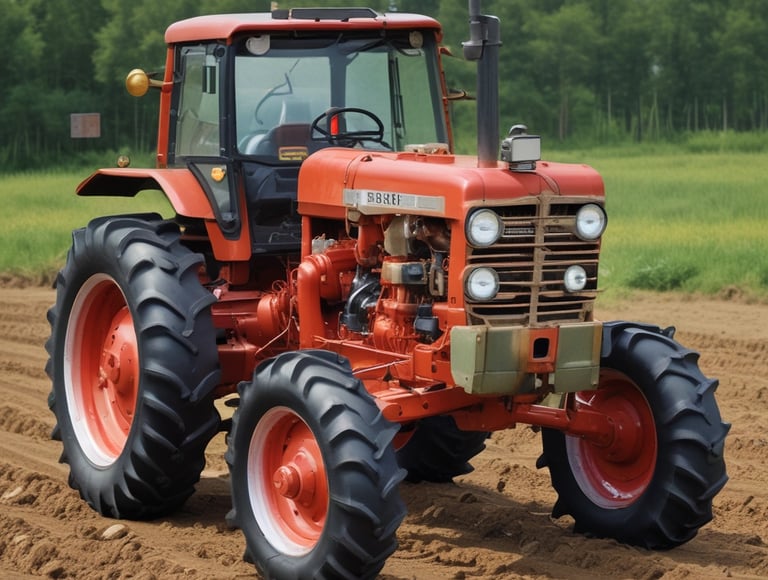
In agricultural production, tractors are not only the main force for tilling, rotary tillage, and harvesting, but also the power source of various agricultural implements. The hydraulic pump motor valve is the "invisible muscle" that tractors use to complete various operations:
Lifting agricultural implements (such as rotary tillers, furrow openers, fertilizer applicators)
Driving hydraulic motors to achieve power output
Control direction and working stability under heavy loads
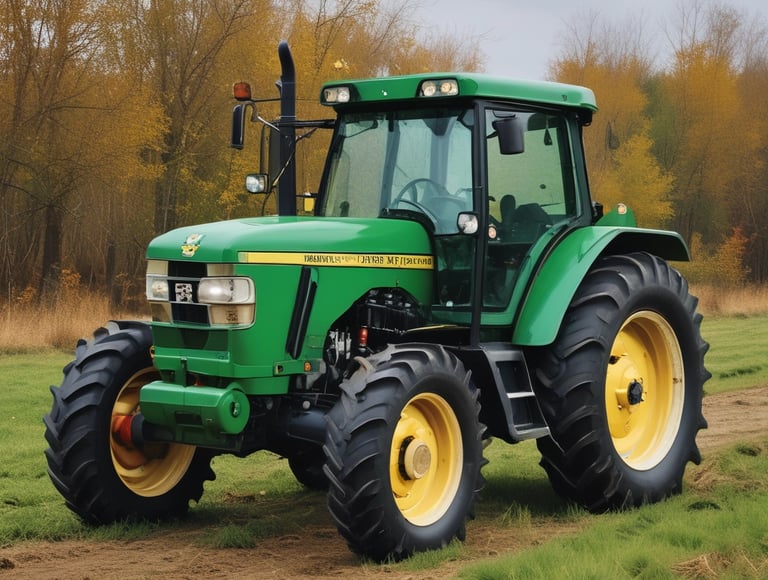
What Are The Common Hydraulic Problems On Tractors?
Many agricultural machinery users have reported:
"The tractor I just bought is OK, but after one year of use, it began to have difficulty lifting, oil leakage, and slow control."
This is actually a typical manifestation of aging of the hydraulic system, poor component matching, or inadequate maintenance. Common problems include:
Insufficient hydraulic pump pressure, resulting in slow lifting of agricultural implements
Hydraulic motor starts slowly and the speed is unstable
Diverter valve oil cross-flow and pressure relief, resulting in inaccurate control
Aging and stuck operating valves affect the rhythm of farming
The system is noisy and the oil temperature is high, affecting the continuity of operations
HAOZHENG Hydraulics
haozheng hydraulic,Our team has many years of experience in the hydraulic field and has rich experience in the design, manufacturing and processing of all products. We also have a group of skilled technicians for mechanical processing, assembly and testing products.
get in touch
Send Message
Email: service@hzpumpru.com
Phone:+86-17396452406
Copyright ©Guangdong Haozheng Hydraulic Equipment Co., Ltd. All Rights Reserved.
ADDRESS:No. 142, Queen 6th Road, Queen Village, Zhenlong Town, Huiyang District, Huizhou City, Guangdong Province, China
Quick Navigation